Where to live in Istanbul as an expat: a neighbourhood guide
Istanbul is a city of distinct neighbourhoods. How professionals and expat households choose between the central European side, the Bosphorus and the Asian shore.

Choosing where to live in Istanbul is less about the city and more about a daily route: where you work, where children go to school, and how you prefer to spend an evening. The city’s districts differ sharply in character and in the kind of home they offer. This guide compares the areas expats choose most often, so that a property search can start from the right place.
In brief
- Central European side (Beşiktaş, Şişli, Nişantaşı, Levent): short commutes to business districts, classic and new apartments, higher prices.
- Bosphorus and the north (Sarıyer, Etiler, Tarabya, Zekeriyaköy): space, greenery and schools, but longer drives.
- Asian side (Kadıköy, Moda, Ataşehir, Üsküdar): established neighbourhoods, sea access and the Ataşehir financial centre.
- Decide on the commute first; rail lines such as the M2 metro and Marmaray define daily life more than distance.
The central European side
Beşiktaş and Levent
Beşiktaş combines a waterfront centre, university campuses and the business towers of Levent and Maslak to the north. Residents value walking access to ferries and the M2 metro. Housing ranges from older apartments in Abbasağa and Akaretler to newer residences around Levent. See current apartments for sale in Beşiktaş.
Şişli and Nişantaşı
Şişli is the commercial heart of the European side, with Nişantaşı as its most established residential quarter: tree-lined streets, early 20th-century buildings, boutiques and clinics. Fulya, Mecidiyeköy and Bomonti offer newer projects close to the metro and the metrobus. Browse apartments for sale in Şişli.
Kağıthane
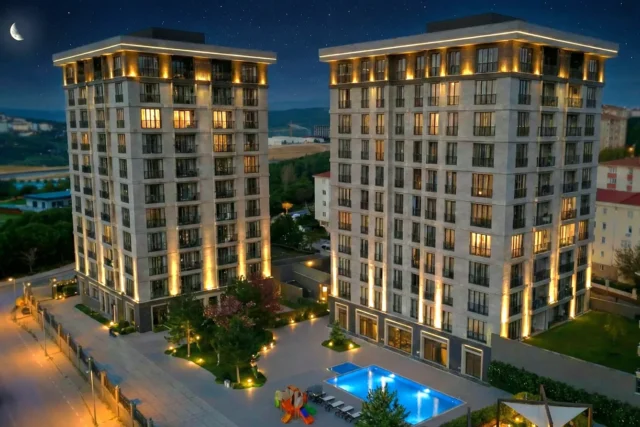
Between Şişli and the Belgrad Forest edge, Kağıthane has seen extensive new residential development close to Levent. It suits professionals who want a modern apartment within a short commute of the business districts. See Kağıthane property.
The Bosphorus and the north
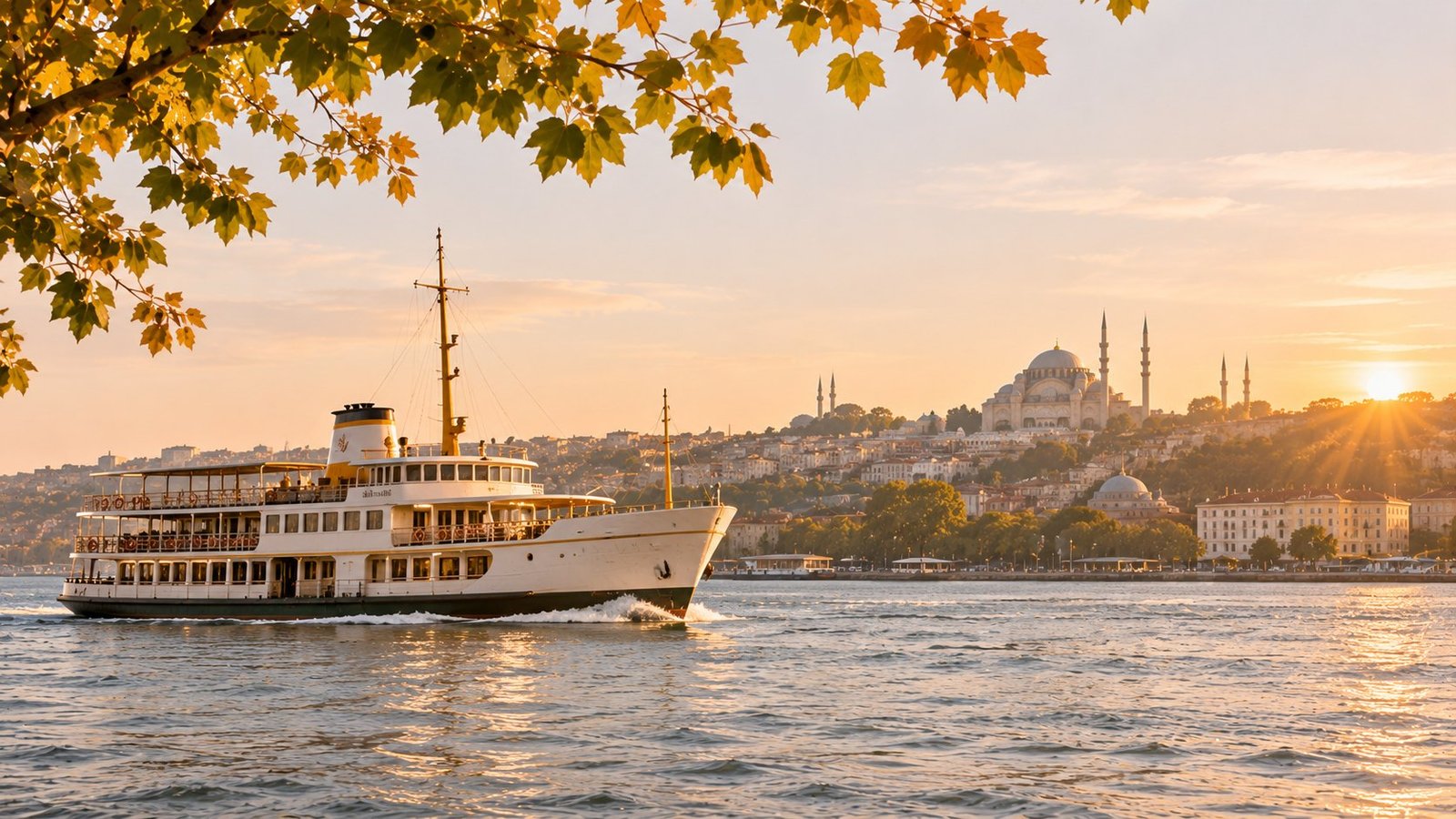
Sarıyer’s Bosphorus villages – Tarabya, Yeniköy, Emirgan – and the hillside neighbourhoods of Etiler and Ulus attract households who want space and greenery, with several international schools in the north of the city. Further inland, Zekeriyaköy and Göktürk offer houses and low-rise sites near forest. The trade-off is car dependence and longer travel in peak hours.
The Asian side
Kadıköy and Moda are among the city’s most liveable neighbourhoods: walkable streets, a seafront promenade and frequent ferries to the European side. Along Bağdat Avenue, Caddebostan and Suadiye offer larger apartments near the sea. Ataşehir, home to the Istanbul Financial Centre, has modern residential towers, while Üsküdar keeps a quieter, historic character on the water.
Comparing the main options
| Area | Best for | Typical homes | Daily transport |
|---|---|---|---|
| Beşiktaş / Levent | Professionals in the business districts | Classic flats, new residences | M2 metro, ferries |
| Şişli / Nişantaşı | City living, services | Period buildings, new projects | M2 metro, metrobus |
| Sarıyer / Etiler | Families wanting space | Apartments with views, villas | Car, buses |
| Kadıköy / Moda | Walkable neighbourhood life | Renovated and new apartments | Ferries, Marmaray, M4 metro |
| Ataşehir | Finance professionals on the Asian side | Residential towers with facilities | M4 metro, roads |
Renting first, then buying
Many expat households rent for six to twelve months before buying. A lease lets you test a commute, a school run and a building’s management in practice, and it gives time to understand price levels in two or three neighbourhoods. If you plan to buy, keep the rental search and the purchase search aligned: view homes in the same areas, note service charges and building ages, and compare what similar flats cost to rent and to buy. When you are ready, a purchase can often be completed within weeks of choosing the property.
How to narrow the choice
- Map your regular routes – office, school, airport – and test them at peak times.
- Decide whether you want a period building or a new residence with security, parking and facilities.
- Check whether a home’s neighbourhood is open to residence registration if you will apply for a residence permit.
- View two or three areas in one trip, or by video, before committing to a single district.
For a broader comparison of the two shores, read our guide to the European side versus the Asian side. Families should also see the best areas in Istanbul for families. Investors comparing returns rather than lifestyle can start with our pillar guide to the best areas to buy property in Istanbul. Our property search service builds a shortlist around your routes and budget.
Frequently asked questions
Which area of Istanbul is best for expats?
It depends on your routine. Beşiktaş, Şişli and Levent suit professionals working on the European side; Sarıyer and Etiler suit families wanting space; Kadıköy and Moda suit those who want a walkable neighbourhood.
Is it better to live on the European or Asian side?
The European side has the main business districts; the Asian side offers established residential neighbourhoods. Choose based on your daily commute.
Where do families with children usually live?
Many choose Sarıyer, Etiler, Zekeriyaköy, Göktürk or the Bağdat Avenue area for space and access to schools.
Is public transport good enough to live without a car?
In central areas along the M2 metro, Marmaray and the ferries, yes. In the northern suburbs a car is usually needed.
Are new residences or older buildings better?
New residences offer security, parking and facilities; period buildings offer central locations and character. Check earthquake resilience either way.
Can foreigners register their address anywhere?
Some neighbourhoods are closed to new residence registrations for foreigners. Check the specific address before buying.
Can I view several areas in one trip?
Yes. A planned viewing trip can cover two or three districts in a few days, and video viewings can narrow the list beforehand.